
Building a Home in 2026 – Heating and Photovoltaics as One Integrated Energy System
When building a home in 2026, heating and photovoltaics can no longer be treated as separate
topics. Today, they form a single energy system that must operate reliably, safely, and
predictably for many years.
For this reason, the key question is no longer “what is popular,” but how to design the system
properly from the very beginning — so it does not require corrections after the first heating
seasons.
⸻
Building a Home in 2026 – Why Is the Heating System So Important?
Modern residential buildings are designed around:
• low energy demand,
• electric heating solutions,
• integration with photovoltaic systems,
• future expansion (energy storage, electric vehicles).
This means that the heating system and photovoltaic installation must work together as one. An
incorrectly designed system will result in energy losses, technical problems, or operational
limitations from day one.
⸻
Selecting a Heating System for a New Home – Heating Season 2026
In 2026, an increasing number of homeowners are moving away from:
• complex boiler rooms,
• systems requiring frequent servicing,
• installations based on a single, inflexible energy source.
Instead, they are choosing solutions that are:
• structurally simple,
• predictable in operation,
• compatible with photovoltaic systems,
• fully controllable and easy to monitor.
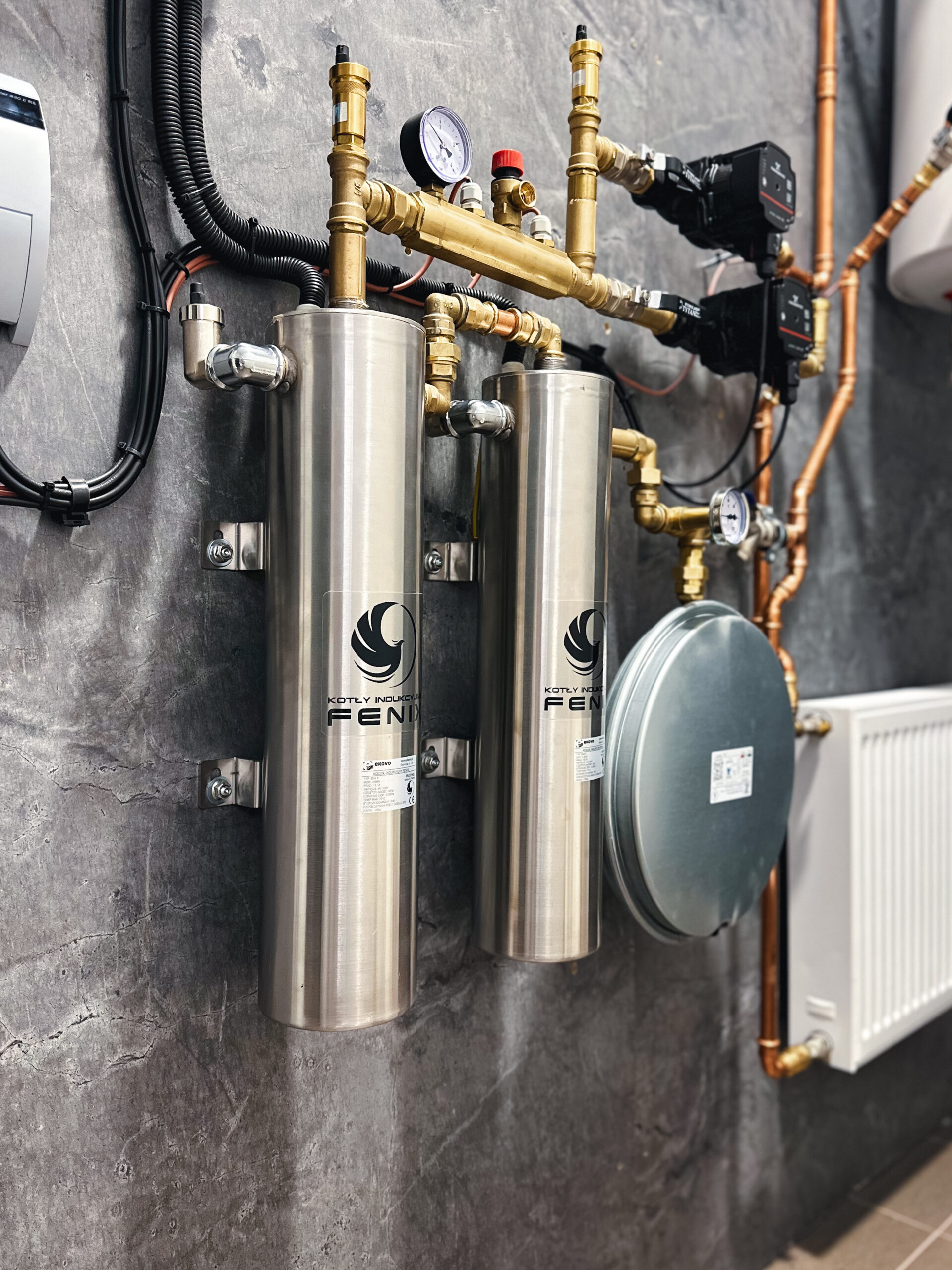
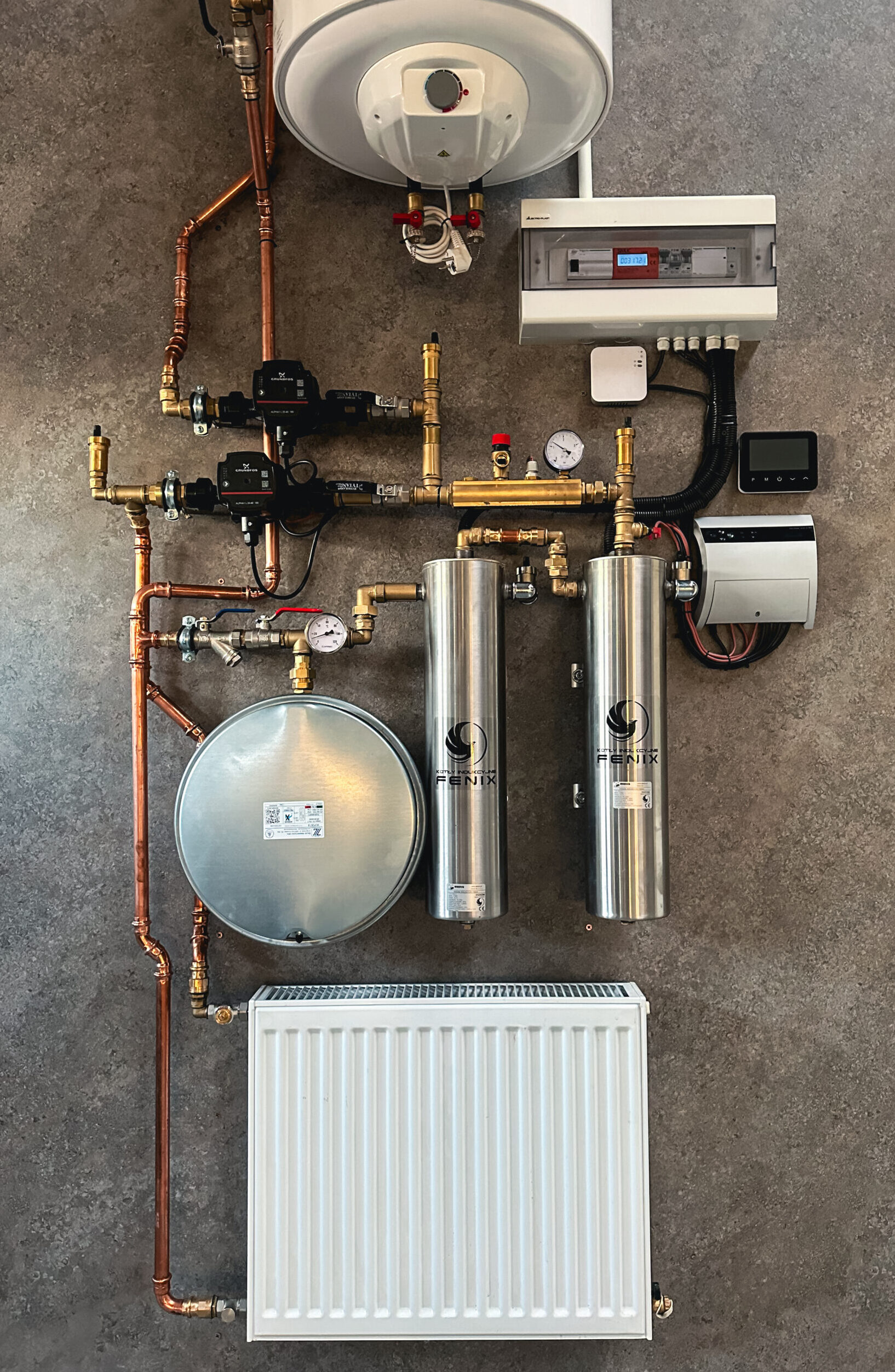
As a result, interest in modern electric heating solutions continues to grow, including induction
based technologies that fit perfectly into the standards of new residential construction.
⸻
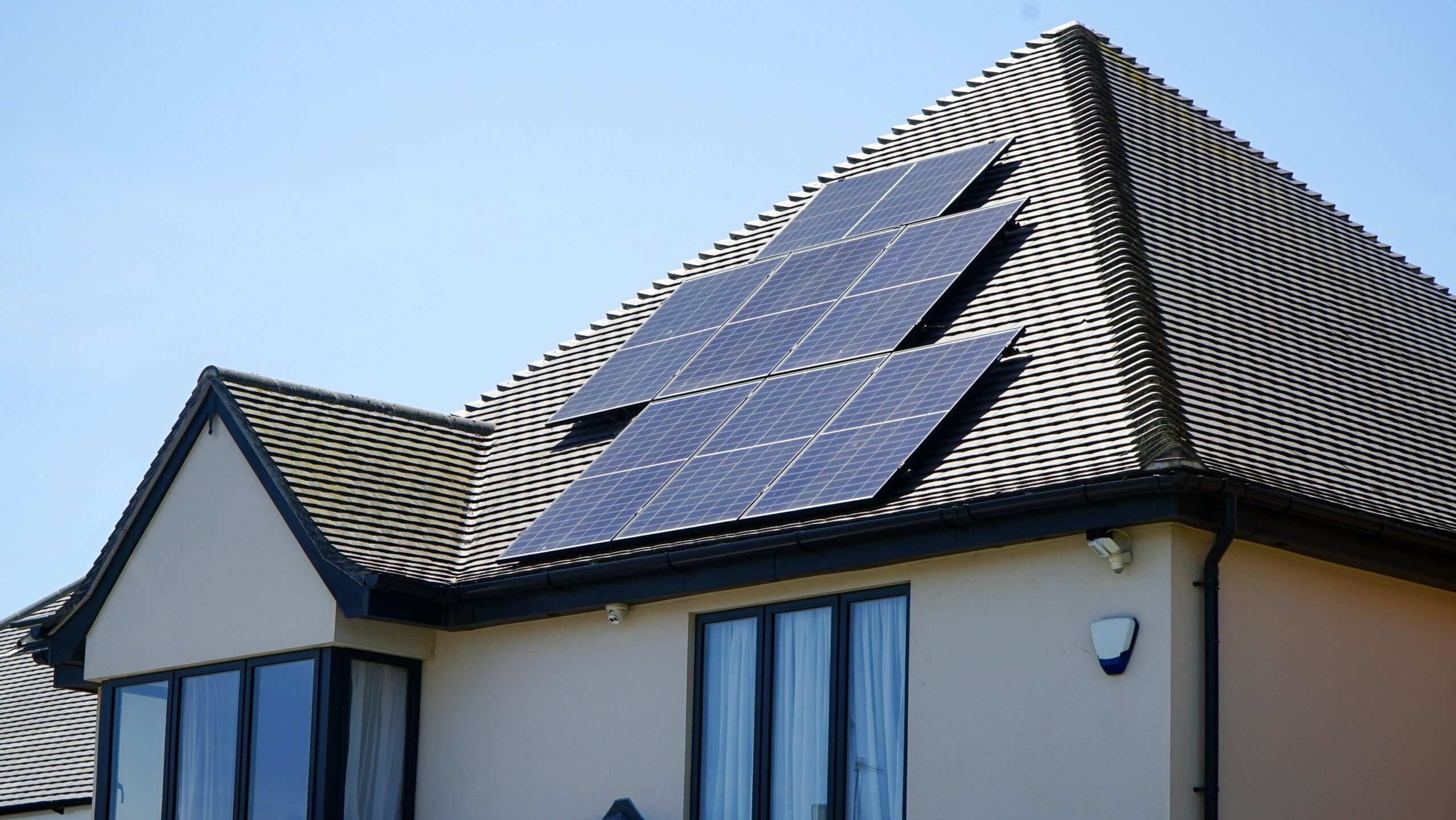
Photovoltaics in a New Home – Not an Add-On, but a Core System Element
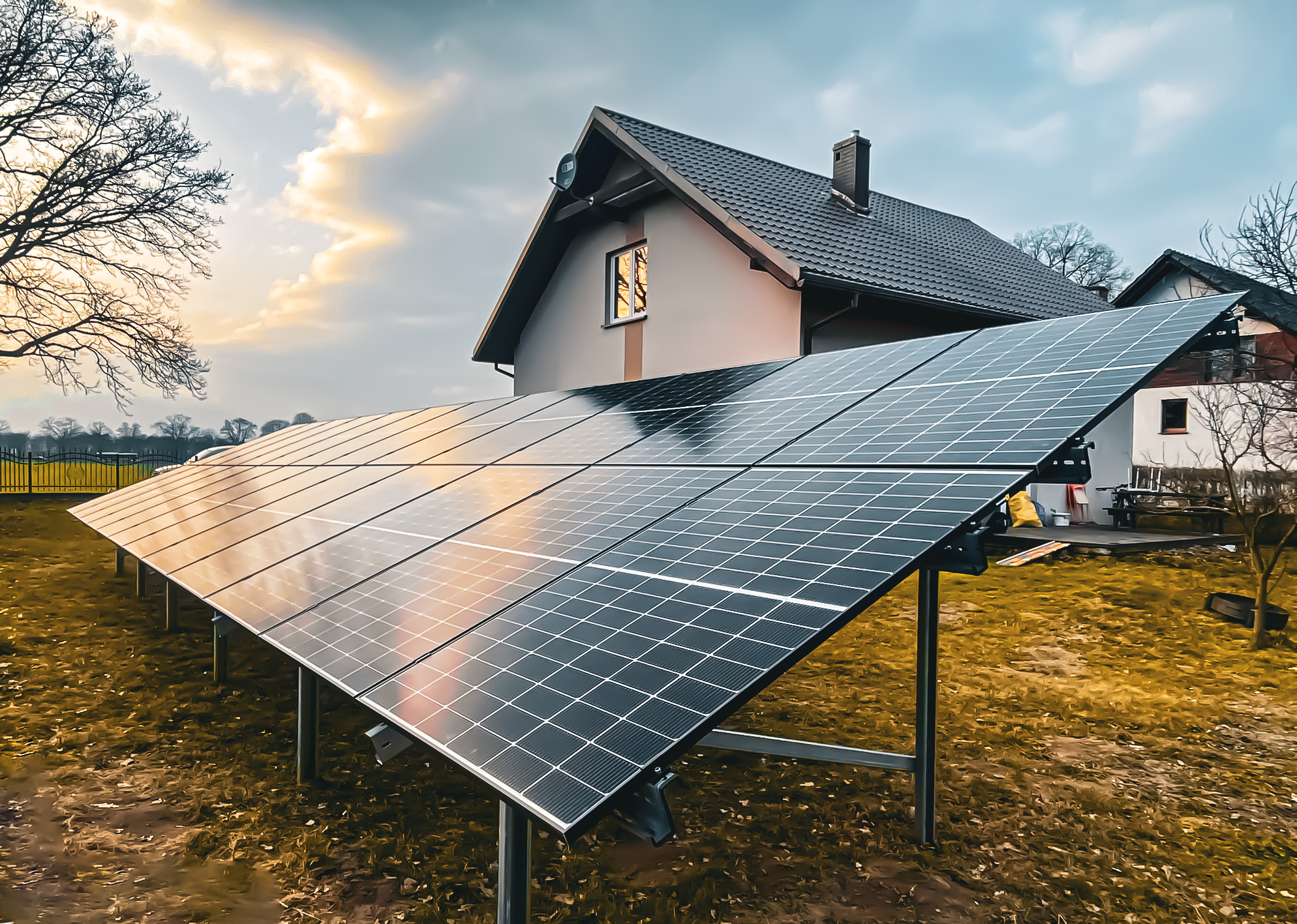
In homes built in 2026, photovoltaics are not an optional upgrade. They are a core part of the
energy system, planned alongside heating, electrical installations, and building automation.
The primary functions of a photovoltaic system are to:
• generate electricity for household use,
• supply energy to the heating system,
• increase self-consumption,
• reduce operating costs.
However, for this to work effectively, the photovoltaic installation must be properly designed
and, above all, safe.
⸻
Photovoltaic Safety – A Critical Issue in Modern Homes
A photovoltaic system is an electrical installation that remains energized at all times.
Therefore, safety is not determined by system size or price — it is determined by the quality of
design and installation.
A safe photovoltaic system depends on four key factors:
• high-quality components,
• a professionally prepared system design,
• experienced and qualified installers,
• correctly implemented safety protections.
Installation errors are the most common cause of failures and safety risks in the years following
installation. These issues can lead not only to system malfunctions, but also to serious hazards
for the building and its occupants.
⸻
FSU – Fire Safety Unit for Photovoltaic Systems
At EKOVO, the use of an FSU (Fire Safety Unit) is a standard component of our photovoltaic
installations.
The FSU system:
• allows rapid voltage shutdown of the PV installation,
• significantly increases the safety of the home and its residents,
• meets modern fire safety standards,
• minimizes risk in emergency situations.
The FSU is not an optional add-on — it is a critical part of a responsible photovoltaic system.
⸻
Why Do System Design and Installation Matter More Than Technology?
Even the most advanced technologies will fail if:
• the system is designed “by approximation,”
• installation is performed by an inexperienced team,
• safety protections are missing,
• no single party takes responsibility for the entire system.
In modern residential construction, system integration is essential. Heating, photovoltaics, and
electrical infrastructure must be designed as one unified system — not as a collection of
disconnected decisions.
⸻
EKOVO – A System-Based Approach to Energy in Modern Homes
At EKOVO, we design heating and photovoltaic systems as one integrated energy solution — not
as a set of independent devices.
We focus on:
• installation safety,
• premium-quality components,
• professional installation,
• long-term reliability,
• future-ready energy infrastructure.
This is why our solutions are chosen by investors building homes according to the standards of
2026.
⸻
Summary
When building a home in 2026, selecting a cohesive heating and photovoltaic system is
essential.
The safety of a PV installation depends on component quality, professional design, installer
expertise, and protective measures such as the FSU.
Modern electric heating combined with photovoltaics creates a predictable, safe, and future
proof energy system for single-family homes.
If you are building a home and want to design your energy system right the first time — contact
us.